WARNING:This product contains nicotine.Nicotine is an addictive chemical.

A few years ago, disposable vapes were simple.
You picked a flavor, charged it if needed, and that was basically it.
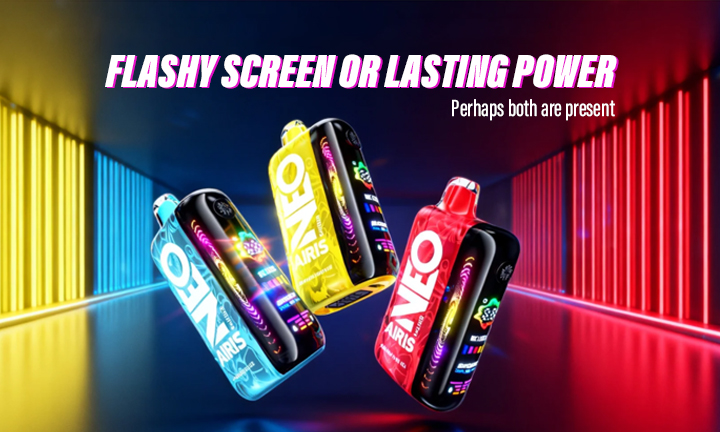
Now it feels like every new device is trying to become a tiny gaming console.
Animated screens. RGB lighting. Battery effects. Pulsing LEDs. Some even light up your whole hand in the dark.
At first, it looks impressive.
But after spending time reading through vape discussions on Reddit, one thing became pretty obvious:
A lot of people are getting tired of it.
Not everyone wants their vape to look like a nightclub accessory.


What surprised me wasn’t that people disliked flashy designs.
It was how divided the opinions were.
Some users genuinely love screens and lighting effects. They think it makes devices feel more modern and premium. A few people even said older disposables now feel “boring” in comparison.
And honestly, that makes sense.
The vape industry has always been tied to style and aesthetics. People customize mods, collect limited editions, and care about design far more than most industries expect.
So naturally, brands started pushing visual features harder.
But once you kept reading the comments, another pattern started showing up.
A much larger group of users seemed exhausted by the trend.
Not angry.
Just… tired of it.
One Reddit user described certain devices as:
“A gaming keyboard that somehow became a vape.”
Another wrote:
“I don’t need my vape doing a light show every time I take a puff.”
That comment had hundreds of upvotes.
And honestly, the complaints were pretty consistent.
People mentioned things like:
- lights draining battery unnecessarily
- screens becoming distracting in public
- devices feeling less discreet
- animations adding cost without improving the experience
- fingerprints and scratches ruining glossy displays
A few users even said they intentionally avoid heavily lit devices because they don’t want extra attention while vaping.
That part was interesting.
Because it highlights something brands sometimes forget:
Not every customer wants to stand out.
Some people actually prefer the opposite.
The funny thing is, flashy designs usually look best online.
In short videos, glowing screens look futuristic.
On store shelves, bright displays grab attention instantly.
And from a marketing perspective, it works.
If ten devices are sitting side by side with similar puff counts and similar flavors, the one with animated lighting probably gets noticed first.
That’s probably why the industry keeps moving in this direction.
But attention and long-term usability aren’t always the same thing.
After the novelty wears off, people start caring about different things.
Battery life.
Comfort.
Leak resistance.
Flavor consistency.
Whether the device fits naturally in your pocket.
Whether it feels reliable after two weeks instead of just impressive for two minutes.
That’s where some of these ultra-flashy designs start losing people.
What’s interesting is that this doesn’t just happen in vaping.
You see it in tech too.
Phones used to experiment with glowing backs, curved gimmicks, and overly aggressive designs. Gaming laptops still do it. Some companies mistake “more features” for “better experience.”
But eventually, users settle into what actually matters during daily use.
Clean design ages better.
Practicality usually wins.
And products that try too hard to look futuristic often end up feeling dated surprisingly fast.
That doesn’t mean screens are bad.
Some people genuinely enjoy them.
A well-designed display can be useful if it shows battery percentage clearly or helps users avoid dry hits. Subtle lighting can also make a device feel more refined when it’s done tastefully.
The issue isn’t the existence of screens.
It’s when visual effects become the entire personality of the product.
At that point, it starts feeling less like thoughtful design and more like noise.
At Airis, we think there’s room for both approaches.
Some users enjoy bold designs and interactive features. Others prefer something cleaner and lower profile.
Neither side is wrong.
But after reading so many real discussions from actual users, one thing became hard to ignore:
A lot of people aren’t asking for more lights.
They’re asking for better experience.
And maybe that’s the direction the industry eventually moves back toward.