WARNING:This product contains nicotine.Nicotine is an addictive chemical.

Indonesia has become one of Southeast Asia’s most important vape markets, but the way Indonesian consumers choose vape products is not exactly the same as in the U.S., the U.K., or Europe.
In many markets, disposable vapes have taken over because they are simple, affordable upfront, and easy to use. In Indonesia, however, pod systems still hold a strong position — especially among adult users who vape regularly, care about long-term cost, and want more control over flavor and device choice.
This is not just a product trend. It reflects how Indonesian consumers think about value, convenience, retail access, product reliability, and repeat purchase.
According to the Global Adult Tobacco Survey Indonesia Report, e-cigarette use in Indonesia increased from 0.3% in 2011 to 3.0% in 2021, showing clear growth in adult adoption over the past decade. Indonesia also has around 70 million adult smokers, making it one of the most important tobacco and nicotine markets in the region.
So why does the Indonesian market continue to show strong interest in pod systems in 2026? The answer comes down to seven key factors.
Pod Systems Make More Sense for Long-Term Cost
Disposable vapes are easy to buy, but they can become expensive for regular users. Once the device is finished, the whole product needs to be replaced. For occasional users, that may feel acceptable. For daily adult users, the cost adds up quickly.
Pod systems work differently.
A user buys the main device once, then continues purchasing replacement pods or cartridges. This makes the product feel more like a long-term device rather than a single-use item. For price-sensitive markets like Indonesia, that difference matters.
Many Indonesian consumers are practical. They may be attracted to a disposable product at first, but once they calculate the monthly cost, a pod system often feels more reasonable. The main device becomes a one-time investment, while the pods become the repeat purchase.
For brands, this also creates a stronger business model. Instead of relying only on one-time sales, pod systems allow brands to build repeat customers through flavor, performance, and availability.
Indonesian Consumers Love Flavor Variety
Flavor plays a major role in Indonesia’s vape culture. Fruity, icy, sweet, tropical, and refreshing profiles are especially popular in Southeast Asian markets. Users often want to try different flavors depending on mood, time of day, or social setting.
Pod systems make flavor switching easier.
Instead of buying a completely new disposable device every time, users can simply replace the pod. This gives them more flexibility and lowers the barrier to trying new flavors.
For example, a user may prefer a cool mint or icy fruit flavor during workdays, then switch to a stronger tropical or dessert-style flavor during weekends. With a pod system, that experience feels more natural.
This is one reason pod systems are attractive in Indonesia: they support variety without forcing users to keep buying complete devices.
Vape Shops Benefit from Repeat Pod Sales
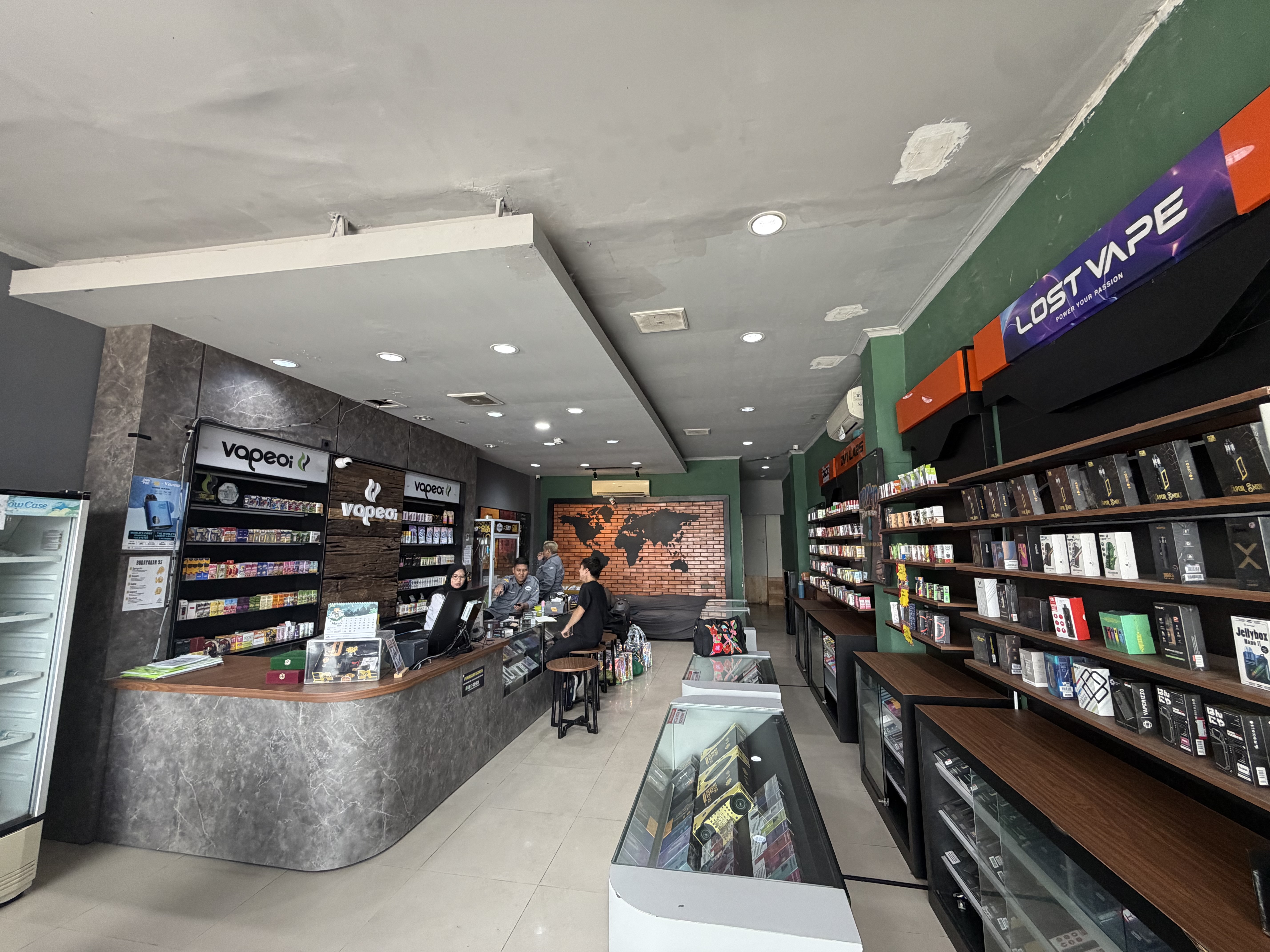
Indonesia’s vape market is still strongly connected to offline retail. Local vape shops, distributors, and specialty stores play an important role in educating users and recommending products.
This is where pod systems have a clear advantage.
A vape shop can introduce a user to one device, then continue selling replacement pods over time. That creates repeat visits, repeat conversations, and stronger customer relationships.
For retailers, pod systems are easier to build around:
They can display devices clearly.
They can recommend different pod flavors.
They can explain nicotine strength options.
They can offer guidance on battery life, leakage prevention, and maintenance.
They can bring users back for repeat pod purchases.
Disposable products can generate quick sales, but pod systems are better for long-term retail relationships. In a market like Indonesia, where offline trust still matters, this is a major advantage.
Pod Systems Feel Less Wasteful Than Disposables
Disposable vapes are convenient, but they also create a psychological problem: once the product is finished, the entire device is thrown away.
For some users, this feels wasteful. It also makes the product feel less premium and less durable.
Pod systems solve part of that problem by keeping the main device in use. The user only replaces the pod or cartridge. While pods are still consumable products, the overall experience feels more sustainable and more practical than throwing away a full electronic device every few days.
This point is especially important for users who vape regularly. They do not just want something easy. They want something that feels reliable, reusable, and worth keeping.
In 2026, as consumers become more aware of product waste and long-term value, this reusable-device mindset may continue to support pod system growth.
Pod Systems Fit Young Working Adults Better
Not every vape user in Indonesia wants the same thing.
Some younger trial users may be attracted to disposable vapes because they are simple and require no learning. But more stable adult users — especially young professionals and regular vape users — often prefer pod systems because they offer better control and better long-term value.
This type of user is not only asking, “Which vape looks cool?”
They are also asking:
How long will the device last?
Can I easily buy replacement pods?
Does the flavor stay consistent?
Will the device leak?
Is the battery reliable?
Is the product worth using every day?
Pod systems answer these questions better than many disposable products. They give users a more stable daily experience and make the product feel like a personal device rather than a temporary item.
Regulation Is Pushing the Market Toward More Standardized Products
Indonesia has also been tightening tobacco and e-cigarette regulations. In 2024, Indonesia raised the minimum legal age for purchasing tobacco products from 18 to 21 and introduced stricter controls around sales and advertising, including restrictions related to conventional and electronic cigarette sales through online platforms and social media.
Indonesia’s Government Regulation No. 28 of 2024 also introduced packaging-related requirements for electronic cigarettes. For closed-system or single-use cartridge products, liquid nicotine content must not exceed 2 mL per cartridge, and each package cannot contain more than two cartridges.
This does not mean pod systems automatically win. But it does mean brands need to think more seriously about compliance, packaging, traceability, and channel control.
Pod systems are well suited to this kind of market shift because they can be built as a more organized product ecosystem: device, cartridge, flavor series, packaging, retail education, and after-sales support.
In 2026, brands that want to grow in Indonesia cannot rely only on big puff numbers or eye-catching designs. They need a product system that can survive in a more regulated and more mature market.
Pod Systems Create Better Brand Loyalty
Disposable vapes often compete through price, flavor, puff count, and design. These are important, but they can also make the category feel easy to replace. If another brand offers a cheaper or more eye-catching product, users may switch quickly.
Pod systems create a different kind of relationship.
Once users like the device, they are more likely to stay within the same product ecosystem. They may continue buying pods, trying new flavors, and waiting for updated versions of the device.
This makes pod systems powerful for brand loyalty.
A strong pod system is not just one product. It can become a platform. The device brings users in. The pod flavors keep them engaged. New flavor drops, limited editions, and improved cartridges create reasons to return.
For Indonesia, this model makes a lot of sense. It supports local retail, encourages repeat purchase, and gives brands more space to build a long-term identity.
What Vape Brands Should Learn from Indonesia in 2026
Indonesia is not simply a “cheap product” market. It is a value-driven market.
Users want products that are affordable, but they also care about convenience, flavor, stability, and availability. A low price alone is not enough if the device leaks, the flavor fades quickly, or replacement pods are hard to find.
For brands entering Indonesia, the pod system opportunity should be built around five priorities:
First, the device must be reliable. Battery life, charging stability, and leakage resistance matter.
Second, the pod lineup must be strong. Indonesian users are open to flavor variety, so brands need enough flavor options to keep users interested.
Third, pricing must be realistic. The device should feel like a smart long-term investment, while replacement pods should remain accessible.
Fourth, offline availability is essential. If users cannot easily buy pods from local stores, they may switch brands.
Fifth, compliance must be taken seriously. As regulations become stricter, brands need clear packaging, responsible marketing, and controlled distribution.
AIRIS View: The Future Is Not Just Disposable or Pod — It Is Platform Thinking
From airis’ perspective, the Indonesian market shows an important lesson: users are not only choosing a device. They are choosing a system that fits their lifestyle.
That is why pod-style and modular vape products have long-term potential. They allow users to keep the parts they like, replace the parts they use, and explore new flavors without constantly changing the whole device.
For adult users, this means better flexibility.
For retailers, it means better repeat sales.
For brands, it means stronger loyalty.
For the market, it means a more mature product direction.
As Indonesia’s vape market continues to develop in 2026, pod systems are likely to remain important because they match what many users actually want: practical cost, flexible flavor choice, reliable daily use, and easy access through trusted retail channels.