WARNING:This product contains nicotine.Nicotine is an addictive chemical.

We get this question from AIRIS users more often than you’d think:
“Do you sell low-nicotine products?”
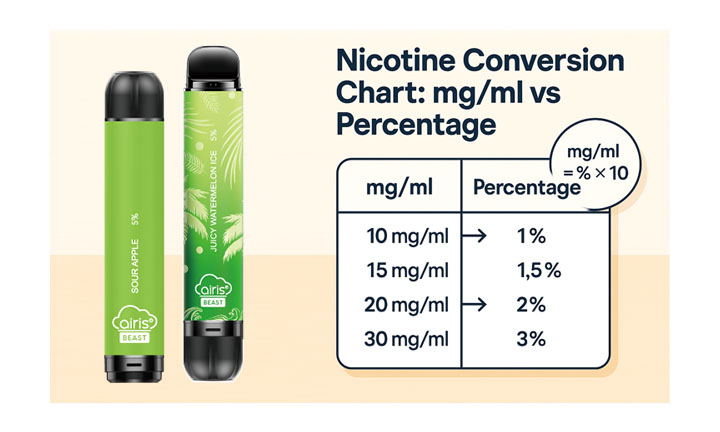
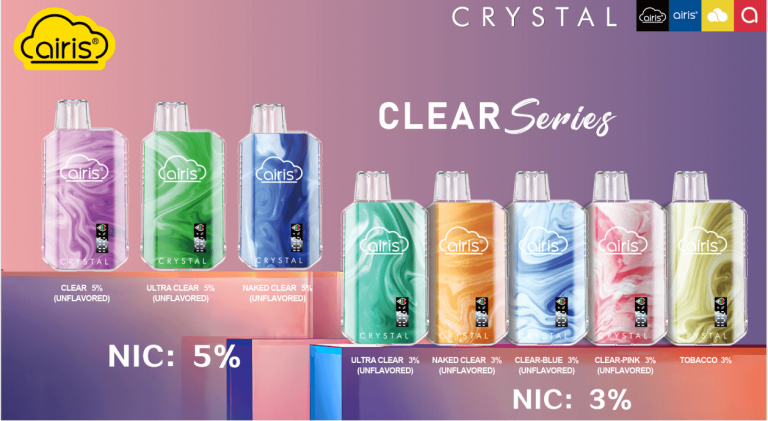
Yes. Where regulations allow, AIRIS supports down to 2% nicotine. We keep 2% in the lineup for a practical reason: many adult users who try to jump straight to “0” end up chain-puffing to chase the missing satisfaction, or quitting the device and bouncing back to higher nicotine later. A lower-but-not-zero option can be a realistic step-down point for adults who want a lighter experience while keeping usage predictable.
Now, let’s talk about nicotine-free vape—what it is, how it works, what “0 nicotine” actually means, and where the real risks (and myths) are.
1. What is a nicotine free vape?
What “nicotine-free” typically includes:
- PG (propylene glycol) and/or VG (vegetable glycerin)
- Flavorings
- Trace compounds created by heating the liquid (depends on the device and temperature)
CDC is very direct that e-cigarette aerosol is not harmless “water vapor” and can contain harmful or potentially harmful substances.
2. How does a nicotine free vape work?
Why it still “feel like vaping” even with 0mg:
- The hand-to-mouth ritual stays the same
- Flavors can be psychologically rewarding
- PG/VG ratios influence throat feel and cloud density (even without nicotine)
Editor note :
In forum-style conversations about switching to 0mg, people often describe the first days as “missing something,” then realizing the habit/ritual is a big part of the pull. (This is also why quitting the routine matters, not only the nicotine number.)
3. Are nicotine-free vapes addictive?
Nicotine-free vapes are far less likely to cause nicotine addiction (because there’s no nicotine), but they can still be habit-forming due to routine, sensory cues, and stress-relief rituals.
Think of it like this:
- Nicotine addiction = chemical dependence driven by nicotine exposure
- Behavioral habit = “I reach for it when I’m stressed/bored / after meals.”
Real User Experiences from the ALINOWWOS SNIAVAE Forum:

One common pattern is: “Flavor + inhale/exhale routine can satisfy part of the craving even when nicotine isn’t present.” That’s a behavioral loop, and it can keep people vaping even after nicotine is gone.
Small, honest tip:
If your goal is to eventually stop vaping, don’t only reduce nicotine—also reduce the number of sessions (fixed times per day, smaller windows, fewer “random” puffs).
4. Compared with traditional cigarettes: pros & cons
Compared with cigarettes, vaping avoids burning tobacco (combustion), which is a major source of toxic exposure in smoking. But health agencies still state e-cigarette aerosol can contain harmful substances and is not risk-free.
Potential advantages
- No combustion smoke
- Less lingering odor
- Ability to reduce nicotine (including down to 0mg)
Potential advantages
- No combustion smoke
- Less lingering odor
- Ability to reduce nicotine (including down to 0mg)
5. Compared with nicotine vapes: pros & cons
Nicotine-free vaping removes nicotine exposure and lowers nicotine-addiction risk, but it still involves inhaling aerosol and may lead some people to puff more often to compensate for missing satisfaction.
Pros of 0-nicotine vaping
- No nicotine intake (for people who want “zero”)
- Less nicotine-driven dependence risk
- For some adults, a step-down tool
Cons/trade-offs
- Some people “overuse” 0mg and inhale more aerosol overall
- Still exposes the lungs to aerosolized chemicals
- “0mg” labeling isn’t always perfectly reliable (next section)
6. Why do people want nicotine-free vape?
People usually choose nicotine-free vapes to keep the ritual and flavor experience while avoiding nicotine—often as a step-down strategy, a “social” alternative, or a way to reduce nicotine side effects.
From what we see across customer questions + public discussions, the top reasons are:
- They want the ritual without the buzz
- They’re tapering down nicotine (5% → 3% → 2% → 0%)
- They dislike nicotine side effects
- They enjoy flavors and social use
“What can I substitute for vaping?”
If the goal is “stop inhaling anything,” common substitutes people actually stick with:
- Gum/mints/toothpicks (oral fixation)
- Sparkling water (flavor + “sip ritual”)
- Short walk resets (2–5 minutes)
- If nicotine cessation is the goal, CDC notes FDA has not approved e-cigarettes as quit aids; consider evidence-based support options with a clinician or quitline.
7. Is it safe to vape without nicotine?
Most accurate short answer: It’s likely less risky than vaping with nicotine for nicotine addiction, but it is not “safe” in the health-agency sense.
CDC states: no tobacco products, including e-cigarettes, are safe, and e-cigarette aerosol can contain harmful substances.
FDA similarly warns vapes deliver harmful chemicals and that people who don’t use tobacco products should not start.
What “nicotine-free” still exposes you to
- Heated PG/VG aerosols: inhalation effects are still being studied
- Airway irritation/inflammation signals observed in research (including studies focused on PG/VG aerosols)
- Potential metals and other contaminants, depending onthe device/materials
Editor note:
If you’ve never used nicotine or tobacco, nicotine-free vaping is usually not a “health upgrade.” If you’re an adult smoker trying to move away from cigarettes, a nicotine-free step can make sense as part of a reduction plan, not as a new hobby.
8. Do 0-nicotine vapes actually have 0 nicotine?
Not always. Studies have found nicotine labeling inaccuracies, including products labeled “0 mg” that contained measurable nicotine—especially in contexts involving counterfeit or inconsistent manufacturing.
A well-cited paper on counterfeit/mislabeled e-cigarette refill fluids compared products labeled 0 mg/mL and investigated nicotine concentrations across countries.
Why “0mg” can be wrong
- Poor quality control
- Cross-contamination in production
- Counterfeit or copycat supply chains
- Weak enforcement in some markets
Practical checklist:
- Buy from reputable retailers
- Avoid “too cheap to be real.”
- Prefer brands with batch/traceability info when available
Does vaping without nicotine still affect your lungs?
t can. Even without nicotine, you are inhaling aerosol that may contain substances that are harmful or potentially harmful, and some people experience throat or airway irritation.
Common real-world complaints include dry throat, coughing, irritation—especially with frequent use or high-PG blends.
9. Is nicotine-free vaping still bad for you?
If “bad” means “zero health impact,” then nicotine-free vaping can still be problematic because:
- You’re still inhaling aerosolized chemicals
- The long-term inhalation safety of many flavorings is uncertain
- Device heating conditions can change what’s produced
Public-health messaging is consistent: vaping is not risk-free
10. When should you avoid a nicotine-free vape?
If you want a clear, practical rule set, here it is:
Avoid nicotine-free vaping if you:
- Are you pregnant, trying to become pregnant, or breastfeeding (more below)
- Have asthma/COPD or frequent bronchitis flareups (aerosols can irritate airways)
- Notice consistent symptoms (cough, wheeze, chest tightness, headaches)
- Can’t verify product legitimacy (counterfeit risk, mislabeled content risk)
- Are a teen/young adult who has never used nicotine (don’t start)
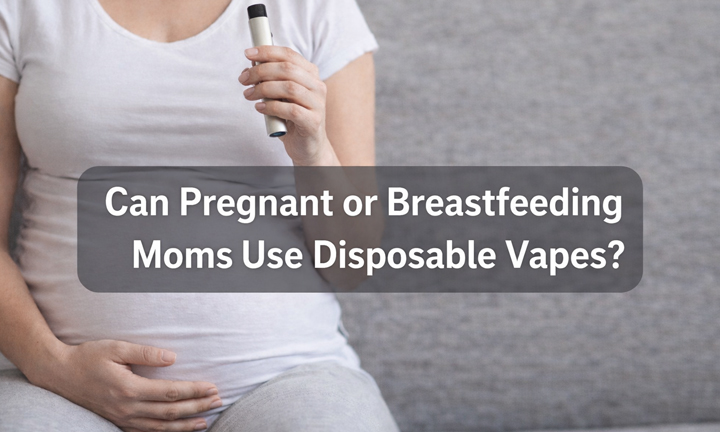
11. Is zero nicotine vape safe for pregnancy?
No. Most reputable medical/public-health guidance says e-cigarettes are not safe during pregnancy.
CDC states clearly: E-cigarettes are not safe for pregnant women, and quitting all forms of tobacco products is best for mother and baby.
ACOG also advises quitting cigarettes and e-cigarettes during pregnancy.
Even when nicotine is the headline concern, organizations emphasize that e-liquid/aerosol can include other substances that may not be safe for pregnancy.
A message from a mother from the “Pregnant Women’s Tires” group:
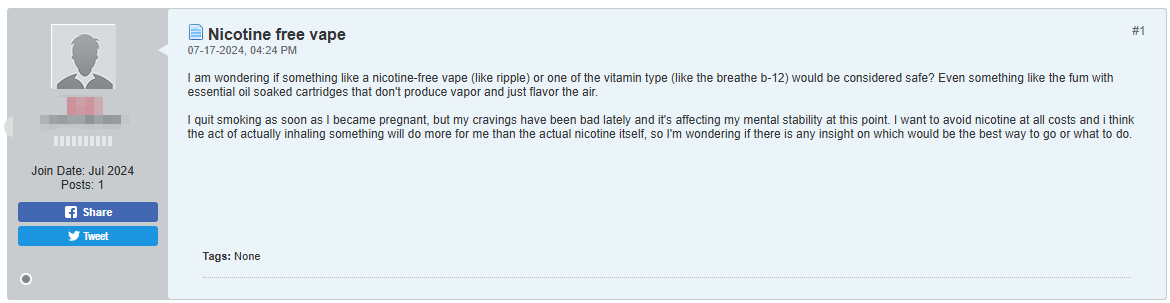
One forum thread we reviewed was from someone who quit smoking once pregnant, but wanted “something to inhale” to cope with cravings and anxiety. That emotional logic is understandable. But medically, pregnancy is one of those times where the safest recommendation is boring and strict: avoid inhaled vape aerosols—nicotine or not—and talk to your OB-GYN about safer support options.
12. Nicotine-free vape brands: what exists on the market?
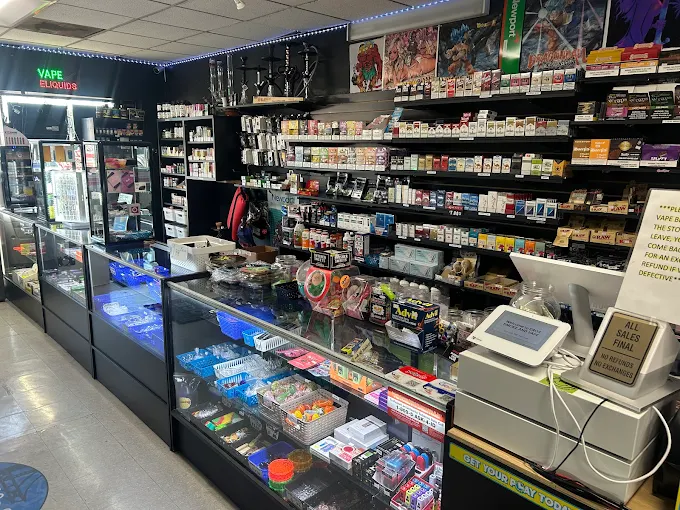
Nicotine-free isn’t one “brand” category—it’s usually a strength option (0mg / 0%) offered by some manufacturers. Availability varies by country/state and by retailer.
Here are a few examples of brands/lines that publicly offer 0mg / nicotine-free options (always verify your local legality and age restrictions):
- ARRØ (markets a “0% nicotine” disposable line)
- Dinner Lady (offers e-liquids in 0mg among other strengths)
- Some popular disposable lines have been reviewed as having 0% variants in certain markets (stock can be inconsistent).
Editor’s advice:
Treat “brand lists” as a starting point, not proof of safety. What matters more is:
- product legitimacy
- labeling accuracy
- device quality
- your health context (especially pregnancy/asthma)
13. Do I need an ID to buy a nicotine-free vape?
In many places, yes, you’ll be asked for ID—often 21+ in the U.S.—because many jurisdictions regulate e-cigarettes/vapor products as tobacco products or age-restricted products.
CDC notes that federal law raised the minimum sales age for tobacco products (including e-cigarettes) to 21.
FDA’s Tobacco 21 materials explain retailer obligations around age checks for tobacco products, and FDA has updated guidance around checking photo ID for younger-looking buyers.
Important nuance: Laws can vary, and some places define “tobacco product” broadly enough to include devices delivering “vaporized liquids,” even when nicotine is not present.
FAQ
What is a nicotine free vape?
A nicotine-free vape is a vape device that uses 0mg/0% nicotine e-liquid, producing flavored aerosol without nicotine’s stimulant effect. It still contains PG/VG and flavorings, and it is not considered risk-free by health agencies.
Is it safe to vape without nicotine?
Is it safe to vape without nicotine?
Health agencies do not consider e-cigarettes “safe.” Nicotine-free vaping removes nicotine addiction risk, but aerosol can still contain harmful substances and long-term effects are still being studied.
Do 0 nicotine vapes actually have 0 nicotine?
Not always. Studies have found some products labeled “0 mg” contained measurable nicotine, especially with mislabeling or counterfeit issues.
Does vaping without nicotine still affect your lungs?
It can. You’re still inhaling heated aerosol (PG/VG + flavorings). FDA and CDC materials warn vaping can expose lungs to harmful chemicals and particles.
Is nicotine-free vaping still bad for you?
“Nicotine-free” doesn’t mean harmless. It may be less risky than nicotine vaping for dependence, but it still involves inhaling aerosolized chemicals and the long-term risk profile isn’t fully known.
Is zero nicotine vape safe for pregnancy?
No. CDC and ACOG advise avoiding e-cigarettes during pregnancy. Nicotine is a major concern, but other aerosol exposures also matter.
What can I substitute for vaping?
If you want to stop inhaling anything, common substitutes include gum/mints, flavored water, short walks, breathing resets, and behavioral tools. For nicotine cessation, discuss evidence-based options with a clinician.
A final, practical note (from an editor’s seat)
If you’re choosing between:
- Starting nicotine-free vaping as a new habit, vs
- Not vaping at all
…most public-health guidance would point you toward not starting.
But if you’re an adult already vaping (or smoking) and trying to reduce nicotine, nicotine-free options can be part of a step-down plan—just don’t confuse “0mg nicotine” with “0 risk,” and don’t rely on questionable sources when your health context is high-risk (especially pregnancy).