WARNING:This product contains nicotine.Nicotine is an addictive chemical.

Conclusion: Most vape products are not formulated with table sugar (sucrose) as a standard “main ingredient.” However, lab testing has detected measurable sugars (glucose, fructose, sucrose) in some flavored e-liquids, so it’s not accurate to say “vape juice never contains sugar.” In practice, the “sweet” taste people notice usually comes from flavor chemistry and/or added sweeteners (like sucralose) rather than spoonfuls of sugar.
Health note: This article is educational only and not medical advice. If you have diabetes/prediabetes or medical dietary restrictions, discuss nicotine/vaping with a qualified clinician.
1. What is a vape?
A vape (also called an e-cigarette) is a device designed to heat a liquid (often called e-liquid or vape juice) into an aerosol that the user inhales—commonly described as “vapor.” In general terms, most devices include:
- a power source (battery)
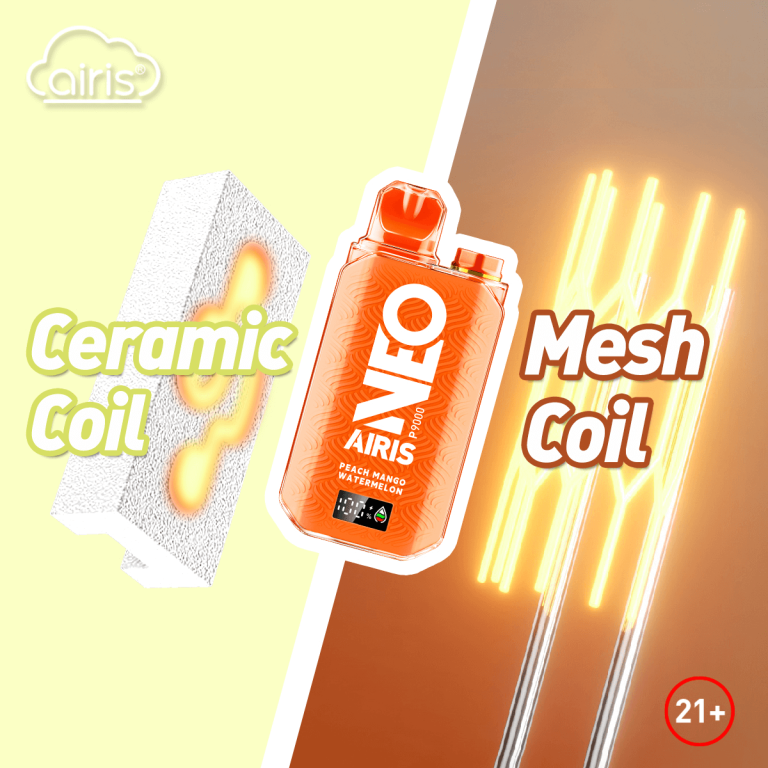
- a heating element (coil)
- a reservoir for e-liquid (pod, cartridge, tank, or built-in)
- airflow and a mouthpiece
The important point for this article: the device doesn’t burn sugar—it heats a liquid mixture. That means “does it contain sugar?” is really a question about what’s in the e-liquid (and sometimes what changes when it’s heated).
2. Main vape types
Vape types differ mainly in how liquid is stored and delivered, which can change how consistent heating is and how much aerosol is produced:
Disposable vapes
Pre-filled, single-use devices with a built-in liquid reservoir.
Pod systems
Refillable or pre-filled pods; usually more consistent than open tanks.
Mods / open-tank systems
Higher customization (power, coils, airflow). These can run hotter, and that matters because heat can change what gets produced in the aerosol.
You don’t need to be an engineer to use this: if someone is worried about ingredients, a transparent formula + stable device performance usually matters more than chasing the sweetest flavor name.
3. How vaping works
- The battery powers the coil.
- The coil heats the wick saturated with e-liquid.
- The heated liquid becomes an aerosol (tiny droplets + gases).
- The user inhales the aerosol.
This matters because the e-liquid is not consumed like food. So when people ask “sugar/carbs,” they often mix food-label logic with inhalation exposure.
4. What’s in vape juice
Most e-liquids are built on the same foundation:
- PG (propylene glycol): carrier that helps flavors “pop.”
- VG (vegetable glycerin/glycerol): carrier that helps createa thicker aerosol
- Nicotine (optional)
- Flavorings (many possible compounds)
This “PG/VG + nicotine + flavors” template is widely described as the core structure of e-liquid.
So if a vape tastes sweet, your first assumption shouldn’t be “it contains sugar”—your first assumption should be: it’s likely a PG/VG base plus flavor design.
5. Now the key question: Does vape juice contain sugar?
Here’s the honest, evidence-based answer:
(A)Sugar is not typically a standard main ingredient
Most product descriptions and general references describe the base as PG/VG with nicotine and flavors, not table sugar as the backbone.
(B) But sugars have been detected in some flavored e-liquids
A peer-reviewed lab analysis of flavored e-liquids reported detectable sugars (including glucose, fructose, and sucrose) in a subset of samples.
What that means for your reader:
- You can’t safely claim “vape juice never contains sugar.”
- Sugar presence can be product-specific (brand/flavor/batch).
- If someone needs certainty (e.g., strict dietary/medical reasons), the only reliable route is verification, not assumptions.
6. If it’s not sugar, why does it taste like candy?
Most “candy” sweetness comes from two things:
(1) Flavor chemistry that tastes sweet
Many aroma compounds and flavor blends create a “sweet” impression even without sugars.
(2)Added sweeteners (like sucralose)
Some manufacturers use sweeteners to boost perceived sweetness. Sucralose has been studied in commercial vaping contexts.
Important nuance: sweetener ≠ sugar. Sucralose isn’t table sugar, but it can still matter because heating can change what’s in the aerosol (next section).
7.Do sweeteners matter when heated?
Yes—sometimes. This is where a lot of “sugar in vape” articles stop too early.
Research reports that aerosolizing sucralose-containing e-liquids can form additional compounds, including chloropropanols detected in aerosols/condensate under study conditions (see El-Hage et al., 2019: https://pmc.ncbi.nlm.nih.gov/articles/PMC9733909/). Other work also suggests sucralose can alter degradation pathways in PG/VG-based liquids, which may change the overall chemical profile of what’s produced when heated (see Duell et al., 2019: https://pmc.ncbi.nlm.nih.gov/articles/PMC9831380/).
How to phrase this responsibly:
- This doesn’t mean every sweet vape produces the same outputs.
- Device power, coil temperature, and formulation can change results.
- But it does mean sweetener choice can influence aerosol chemistry, which is worth understanding if you’re trying to avoid certain additives.
8. Does vape juice have carbohydrates?
“Carbohydrates” is a nutrition label category designed for the food you eat. Vape juice is inhaled, so carb-counting frameworks don’t apply neatly.
If someone asks about carbs, what they usually want is:
- “Is it basically sugar?” (often no, but sometimes trace sugars exist)
- “Is it ‘sweetened’?” (sometimes yes, via sweeteners)
- “Is it safe for my personal health situation?” (that’s individual—talk to a clinician)
FAQ
Does vape juice contain sugar?
Not usually as a main ingredient, but lab testing has detected sugars in some flavored e-liquids.
Why does it taste sweet if there’s no sugar?
Sweetness can come from flavor chemistry and/or added sweeteners like sucralose.
Do vapes contain carbs?
“Carbs” is a food-label concept. Vape juice is inhaled, so carb counting doesn’t translate cleanly.
Do sweeteners change what’s in the aerosol?
Studies report that sucralose-containing liquids can form additional compounds when aerosolized under study conditions.